
Don Bosco Prashanth
I'm IT Professional
Professional Portfolio
Postgraduate Diploma in Professional Practice in English (PGDipPPE)

Don Bosco Prashanth
Postgraduate Diploma in Professional Practice in English (PGDipPPE)
| Student Name | Don Bosco Prashanth |
|---|---|
| Registration Number | pgie-pppe-25-d074 |
| Course Title | Professional Practice in English Portfolio |
| Submission | 2025/2026 Academic Submission |
2. Introduction
I am Don Bosco Prashanth, an Information Technology professional, educator, researcher, and system architect with experience that spans software development, network administration, public-sector digital transformation, teaching, and community leadership. Over the years, I have worked in schools, the Ministry of Education, NGOs, and public institutions, and these varied contexts have shaped the way I think about technology: not simply as a technical tool, but as a practical means of improving people's lives and strengthening institutions. My work has included developing education management systems, teaching modules such as data structures, machine learning, web application development, and computer security, and supporting organizations to adopt reliable and meaningful IT solutions. Alongside my technical career, I have also remained committed to service, leadership, and lifelong learning through professional memberships, research, and voluntary engagement. I value honesty, discipline, collaboration, and continuous improvement, and I see professional growth as a process that combines technical competence with ethical judgment, effective communication, and reflection. This portfolio presents my professional identity, my values, key learning moments, and my journey as a learner in Professional Practice in English.
In addition to my professional responsibilities, I have been actively involved in mentoring students and young professionals, helping them develop technical competence, critical thinking, and ethical awareness in the use of technology.
3. Professional CV
Professional Profile
IT professional, visiting lecturer, consultant, and researcher with experience in education technology, software architecture, public-sector systems, data-driven decision support, and digital capacity building. Public profile materials describe me as a founder, visiting lecturer, IT solutions consultant, AI researcher, and system architect. My career combines technical implementation with teaching, mentoring, and stakeholder engagement.
| Mobile / Email | +94 777 177 201 | prashanth.acadamic@gmail.com |
|---|---|---|
| Professional Headline | Founder of Q+ | Visiting Lecturer | IT Solutions Consultant | AI Researcher | System Architect | |
| Professional Highlights | MBCS, CSSL, ACS; educator, AI researcher, and public-sector innovator, Justice of Peace (Whole Island) | |
Core Competencies
- Software development, systems architecture, and database-backed application design
- Education technology systems, analytics dashboards, and public-sector digital transformation
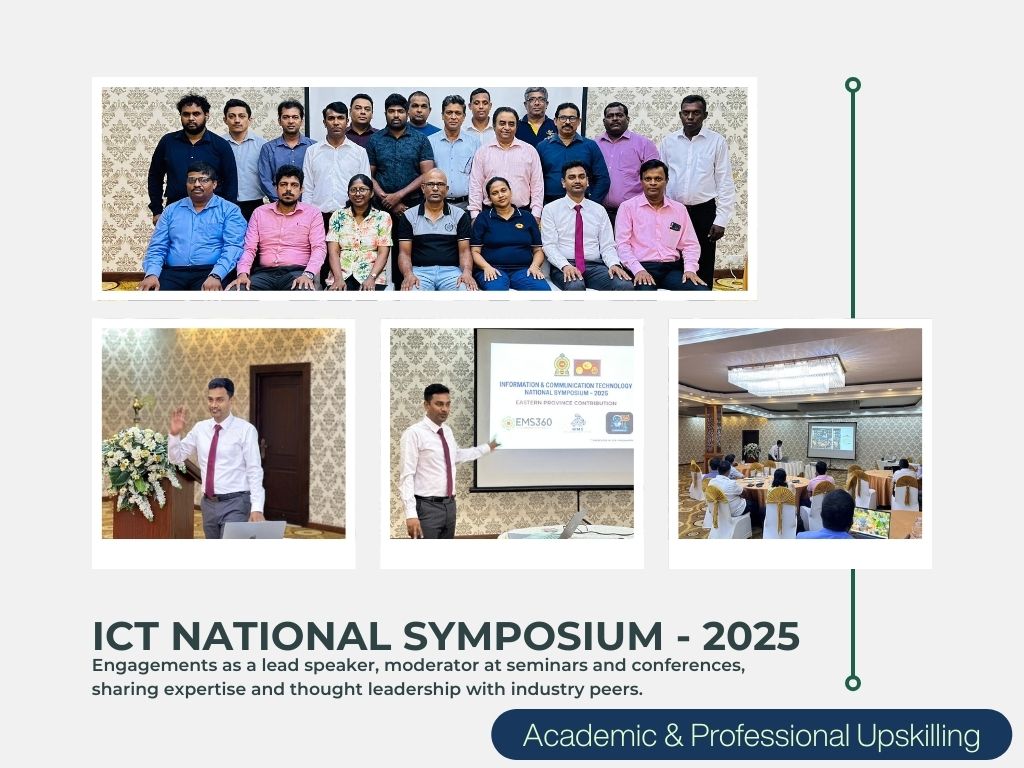
- Teaching, lecturing, workshop facilitation, and curriculum support in IT-related subjects
- Network administration, cybersecurity awareness, and infrastructure support
- Research writing, data analysis, and applied AI / machine learning projects
- Stakeholder communication, training, mentoring, and multi-team coordination
Employment Experience
| Period | Role | Organization / Key Contribution |
|---|---|---|
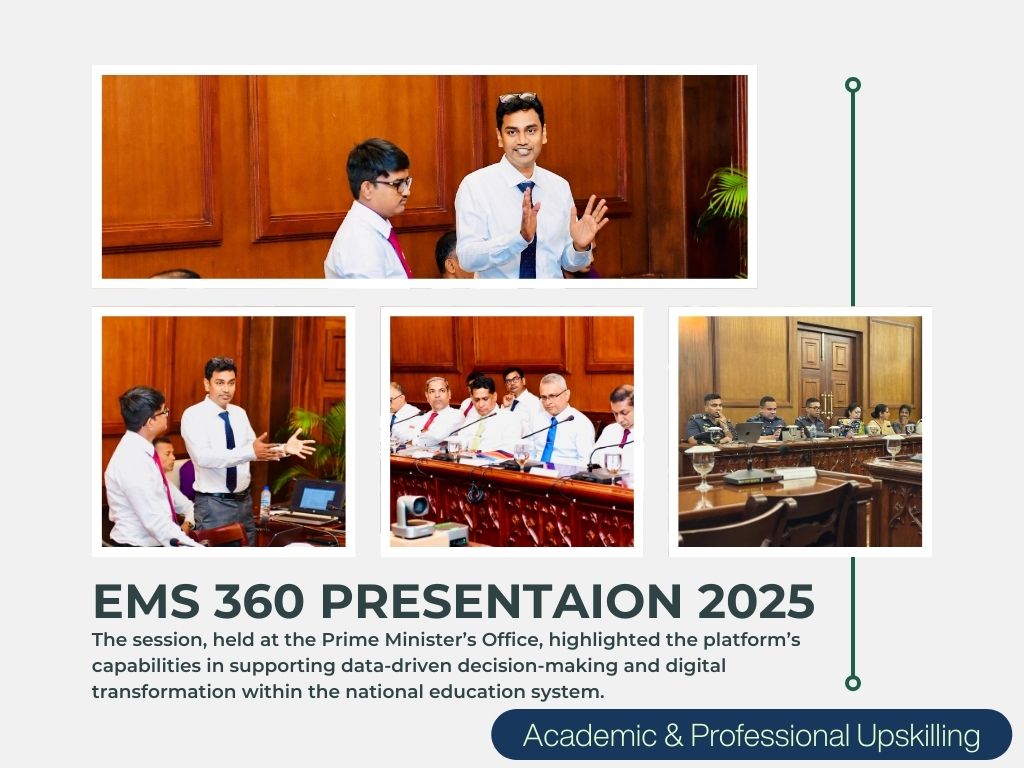
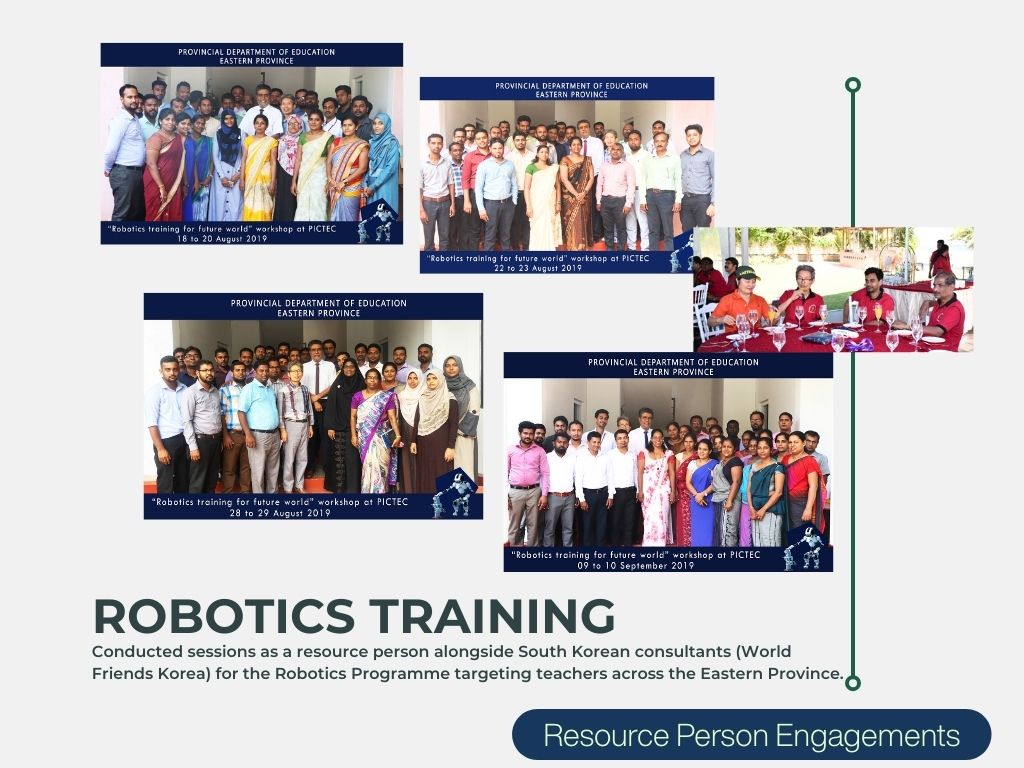
| 2021-Present | Resource Person (Research & Development) | Provincial Ministry of Education, Eastern Province - develops and maintains education systems including EMS360 and related digital solutions. |
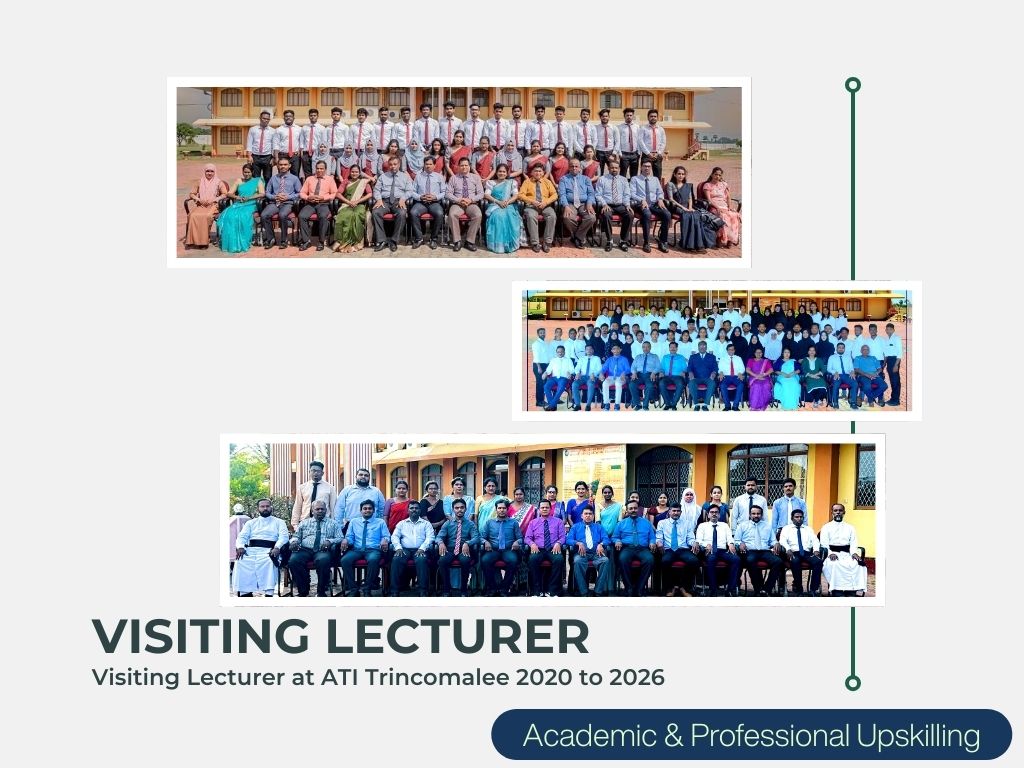
| 2020-Present | Visiting Lecturer | Sri Lanka Institute of Advanced Technological Education - teaches Data Structures and Algorithms, Machine Learning, Internet & Computer Security, Network and Data Centre Operations, Web Application Development, and related modules. |
| Part-time | IT Consultant & Founder | Consulting support for NGOs including UNFPA, CDF, Quantum Plus, FitsCorps, and SLSA, focusing on tailored IT solutions, advisory support, and training. |
| 2019-2021 | Instructor at ITDLH | Provincial Department of Education - delivered IT training, IoT exposure, and technical mentoring for teachers and learners. |
| 2014-2019 | ICT Teacher | Ministry of Education, Eastern Province - supported ICT teaching and practical application of technology in education. |
| 2014 | System Administrator | Best Genius SDN. BHD., Malaysia - managed databases, optimization, migrations, documentation, and user support. |
| 2011 | Computer Programmer | RE-AWAKENING Project under the World Bank - improved reporting performance for community-oriented software systems. |
| 2005-2007 | Network Administrator / CTS Officer | World Vision Lanka - monitored and managed commodity tracking, records, and reporting across programmes. |
Education and Qualifications
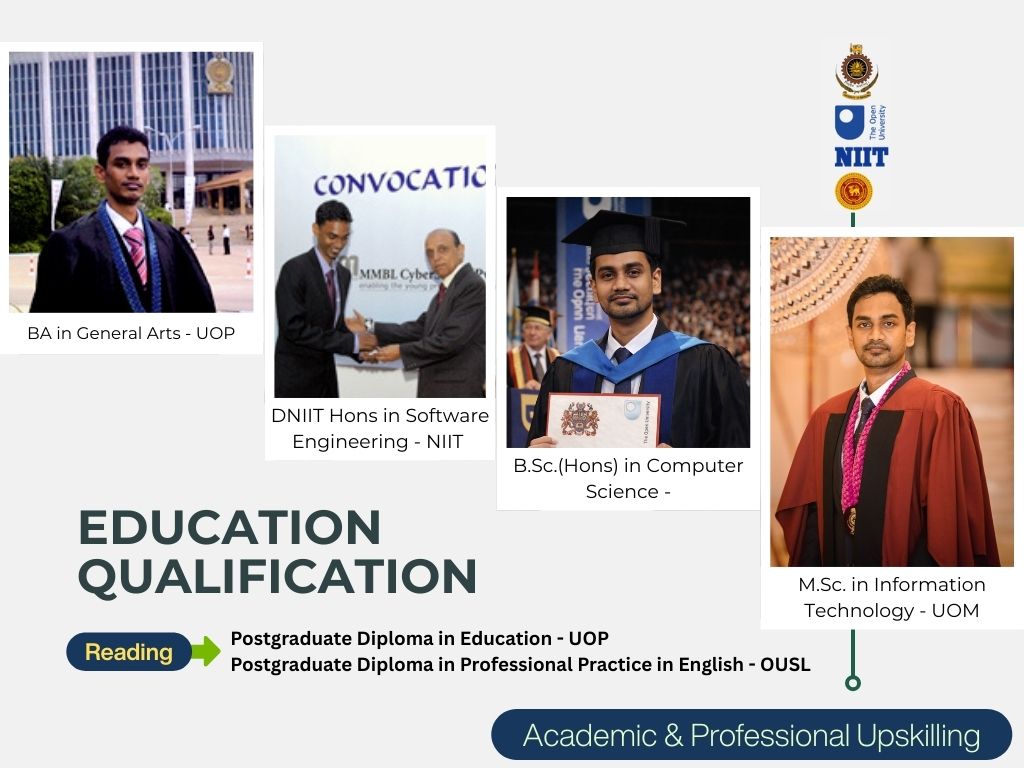
- M.Sc. in Information Technology with Research, University of Moratuwa, Sri Lanka (2019)
- B.Sc. (Hons) Computing and its Practice, The Open University, United Kingdom (2010)
- B.A., University of Peradeniya (Open), Sri Lanka (2008)
- DNIIT Honours in Software Engineering, NIIT Sri Lanka (2007)
- Postgraduate Diploma in Professional Practice in English, The Open University of Sri Lanka (2024/25)
- Postgraduate Diploma in Education, PGISH, University of Peradeniya (2024/25)
Research, Projects, Memberships, and Awards
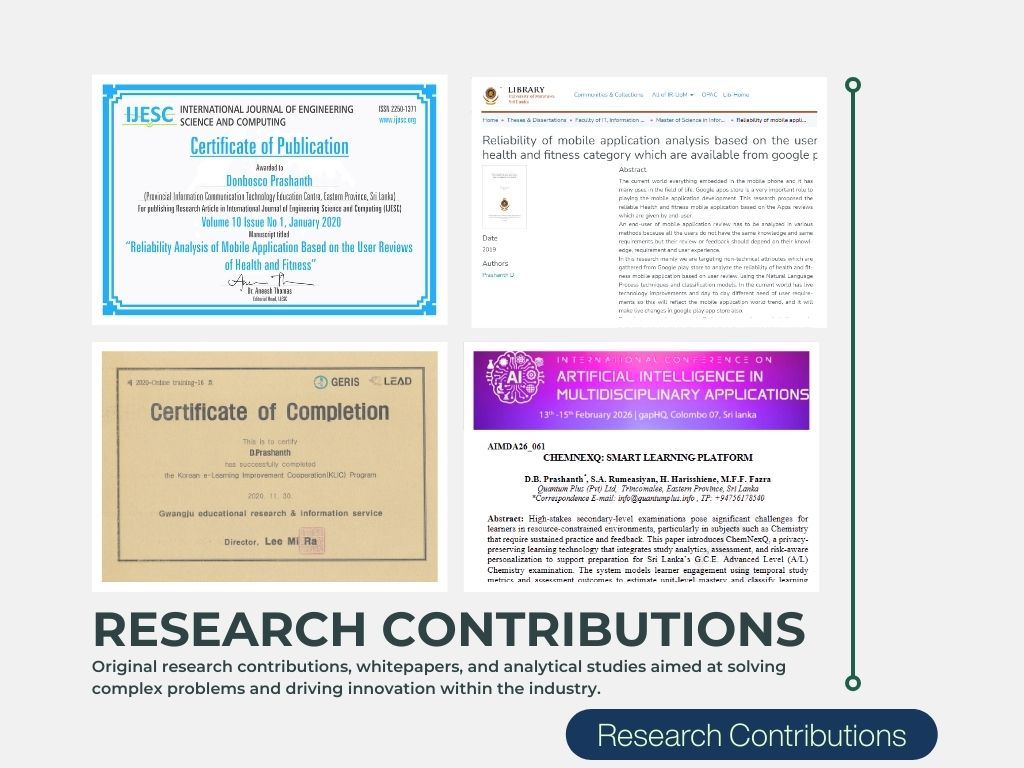
- M.Sc. research on reliability analysis of mobile applications using user reviews and natural language processing.
- Published work on mobile application reliability in the International Journal of Engineering Science and Computing (2020).
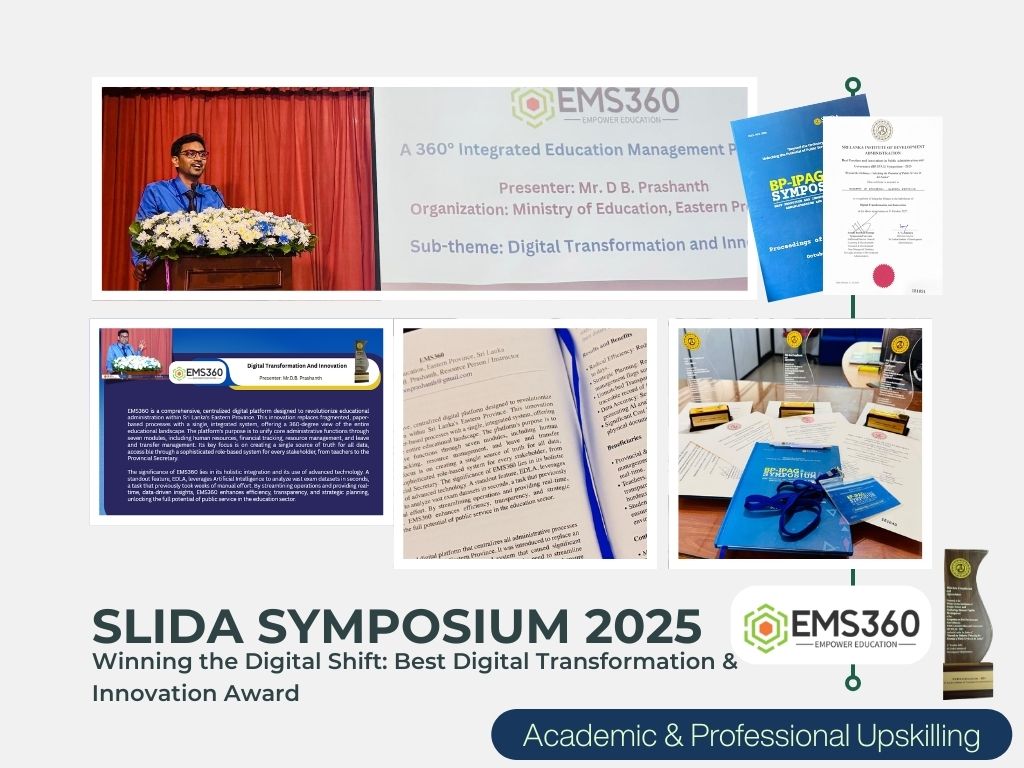
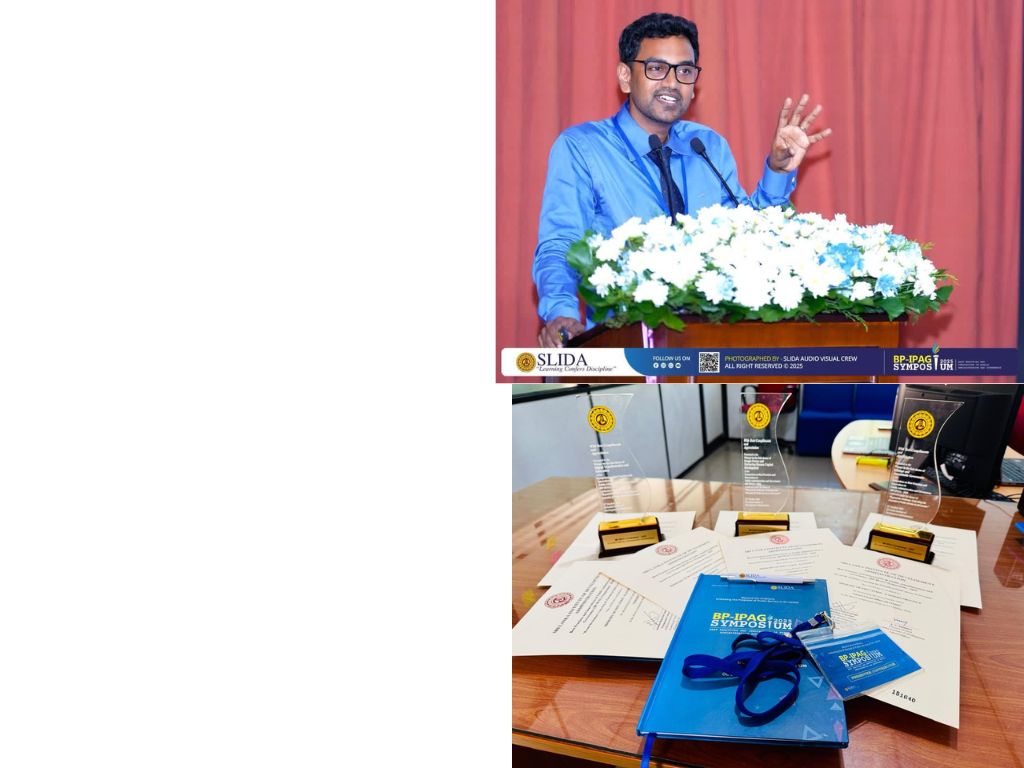
- Developed EMS360, presented at the SLIDA Research Symposium 2025, where the paper was selected as a winner in a digital transformation and innovation sub-theme.
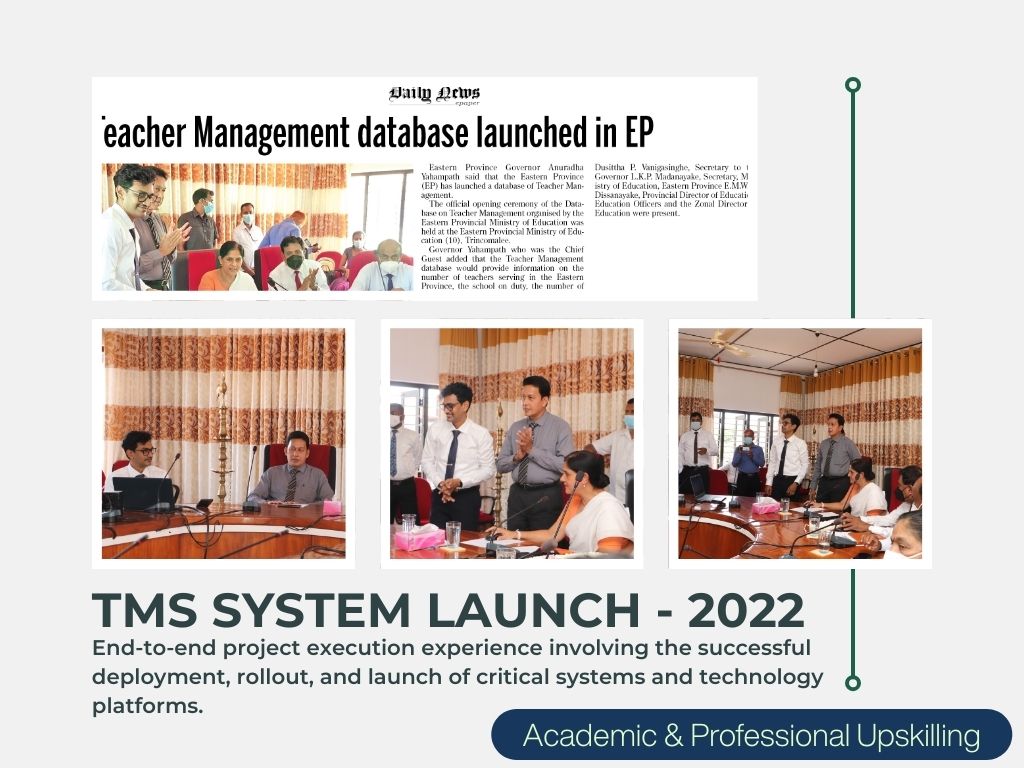
- Designed or contributed to systems such as Customer Service Management, Mail Tracking System, Teacher Management System, Competency Based Assessment, and the Automated Research Tool.
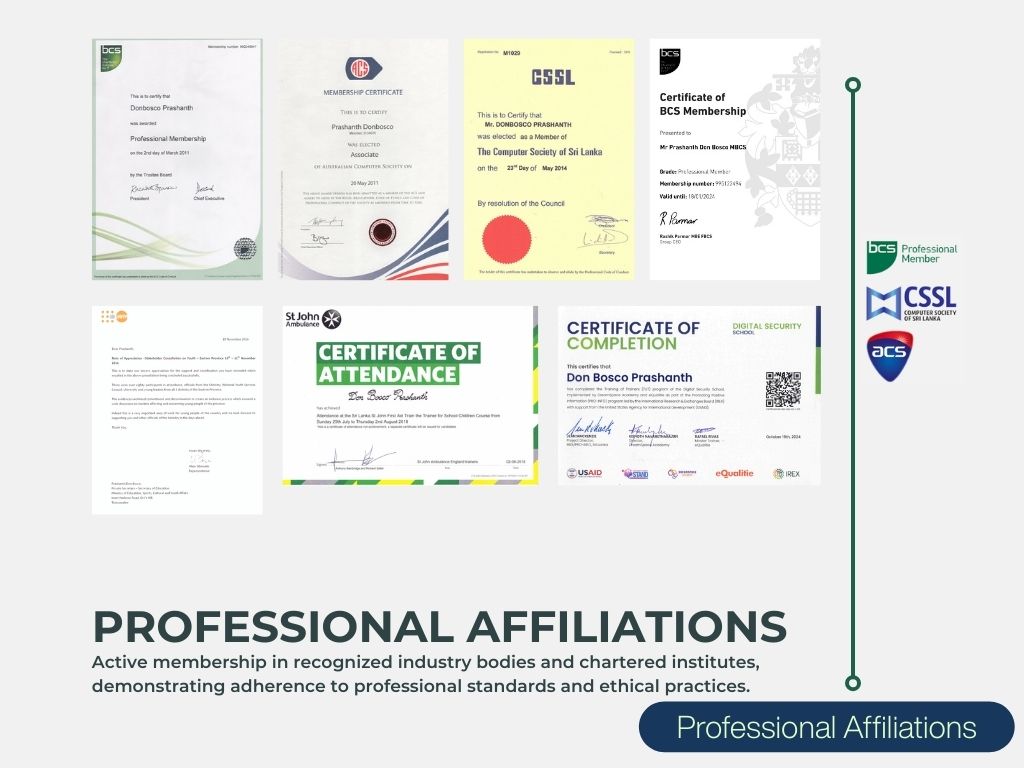
- Professional memberships: British Computer Society (MBCS), Computer Society of Sri Lanka (CSSL), and Australian Computer Society (ACS associate membership).
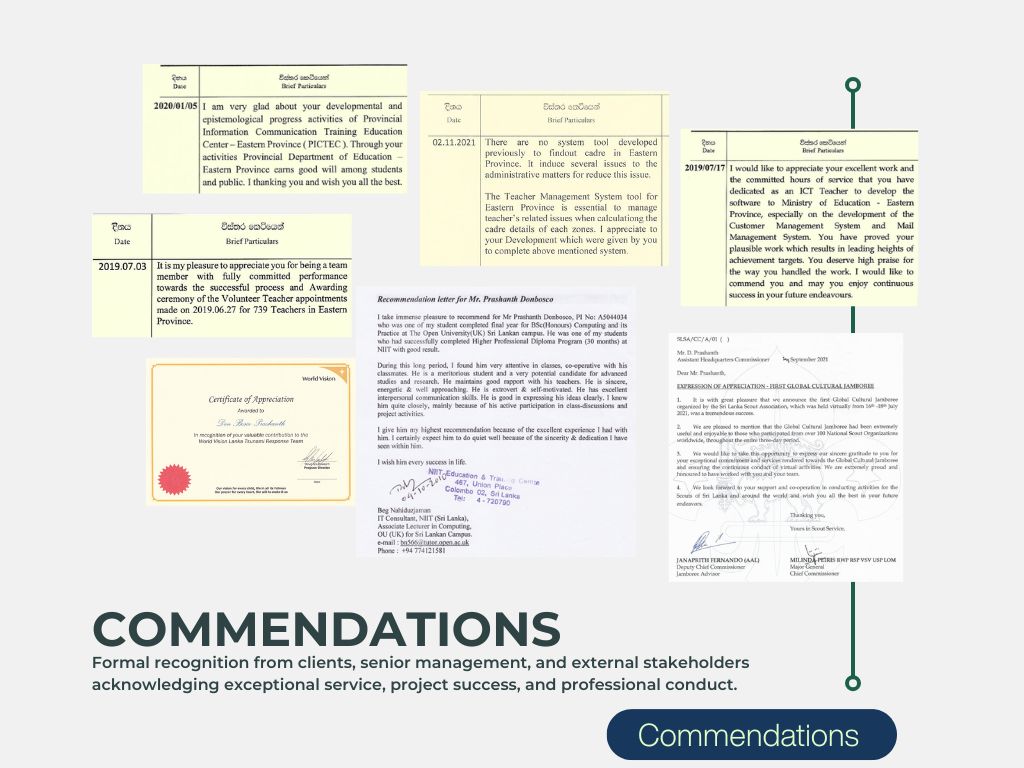
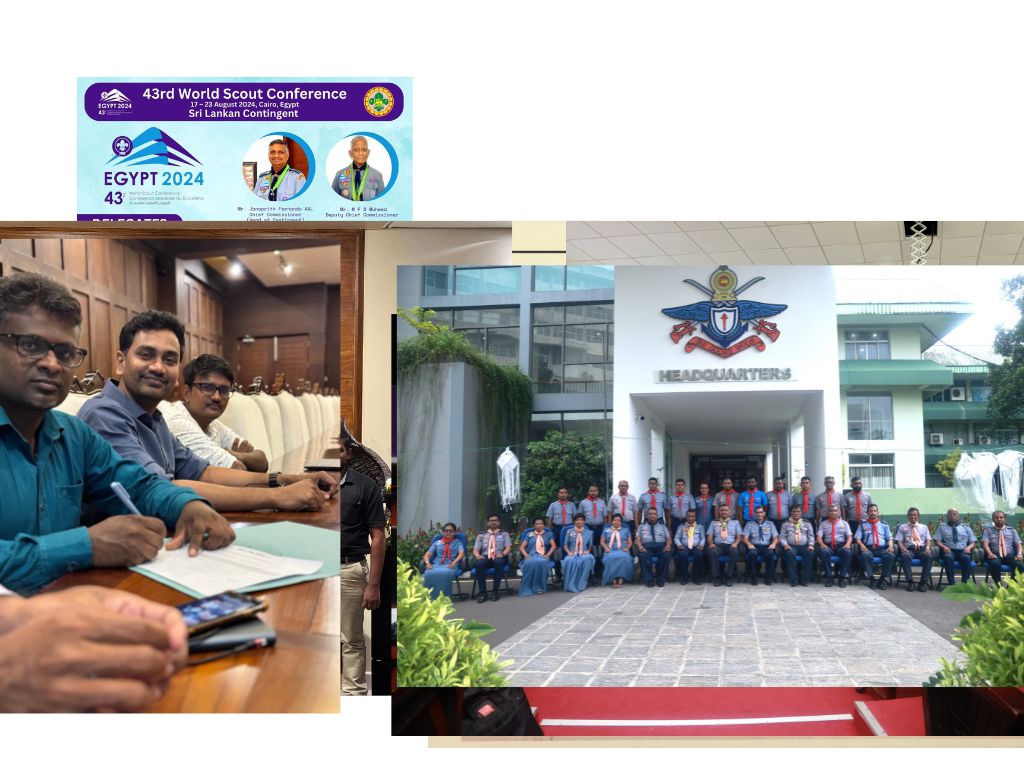
- Awards include the Baden Powell Award, Wood Badge Holder recognition, Young Artist Award of Appreciation, and long-service recognition from St. John Ambulance Brigade.
Leadership and Community Service
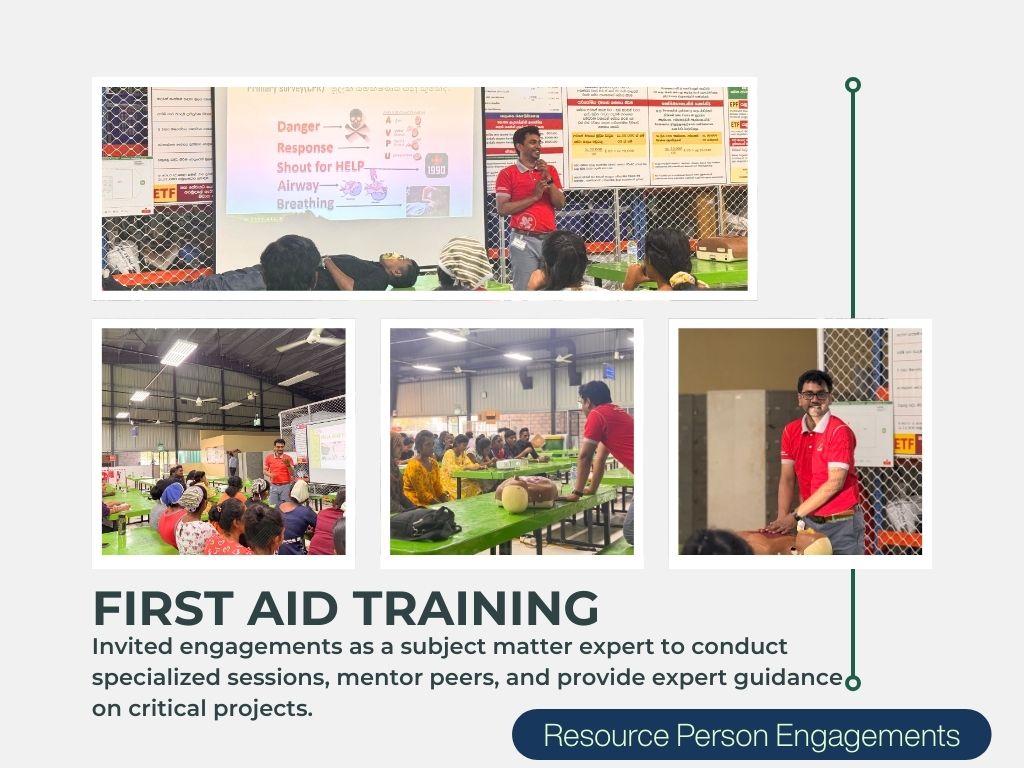
- Actively engaged in social service and youth leadership through the Sri Lanka Scout Association and St. John Ambulance Brigade.
- Contributed to community service, leadership training, and first aid programmes for youth development.
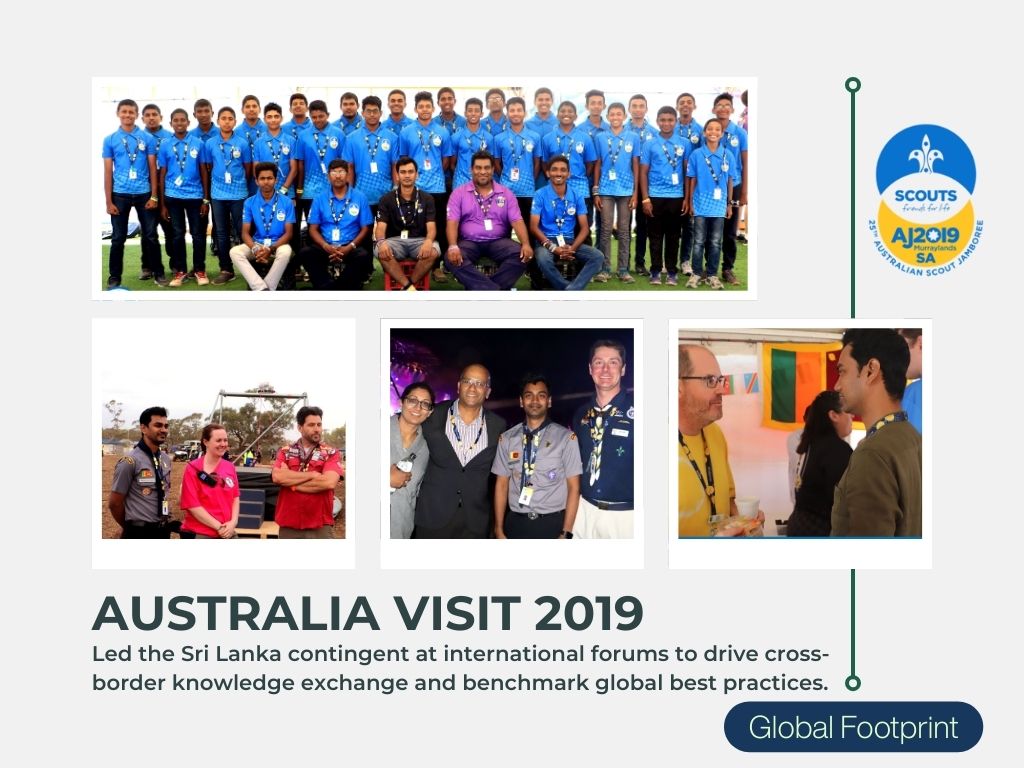
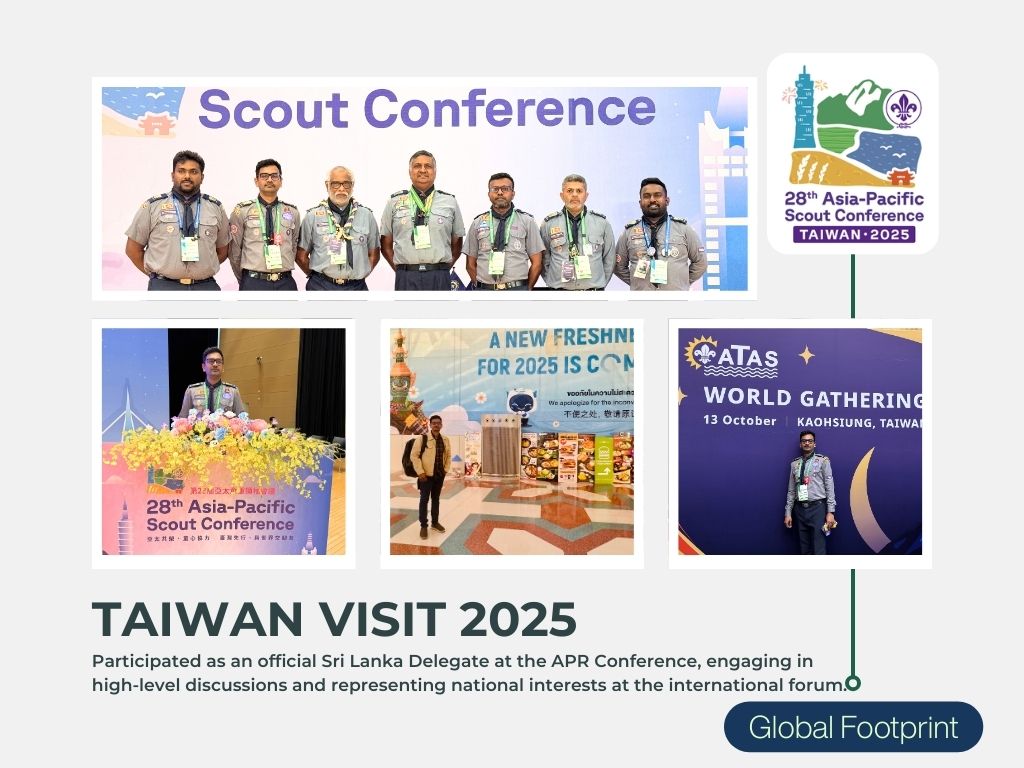
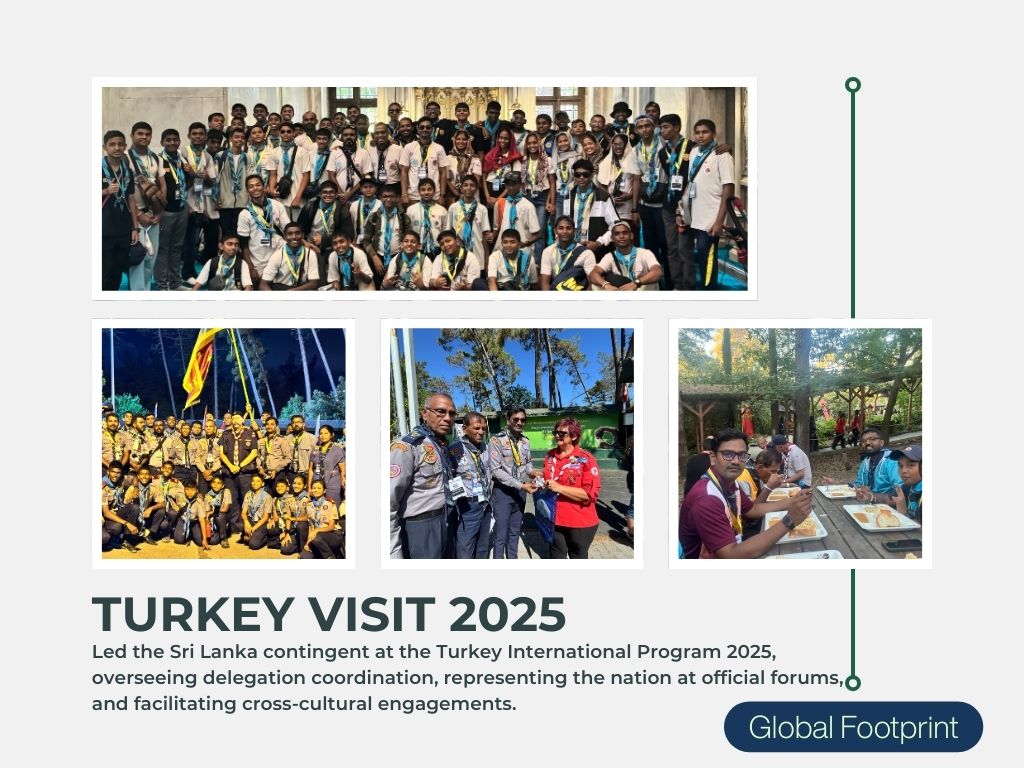
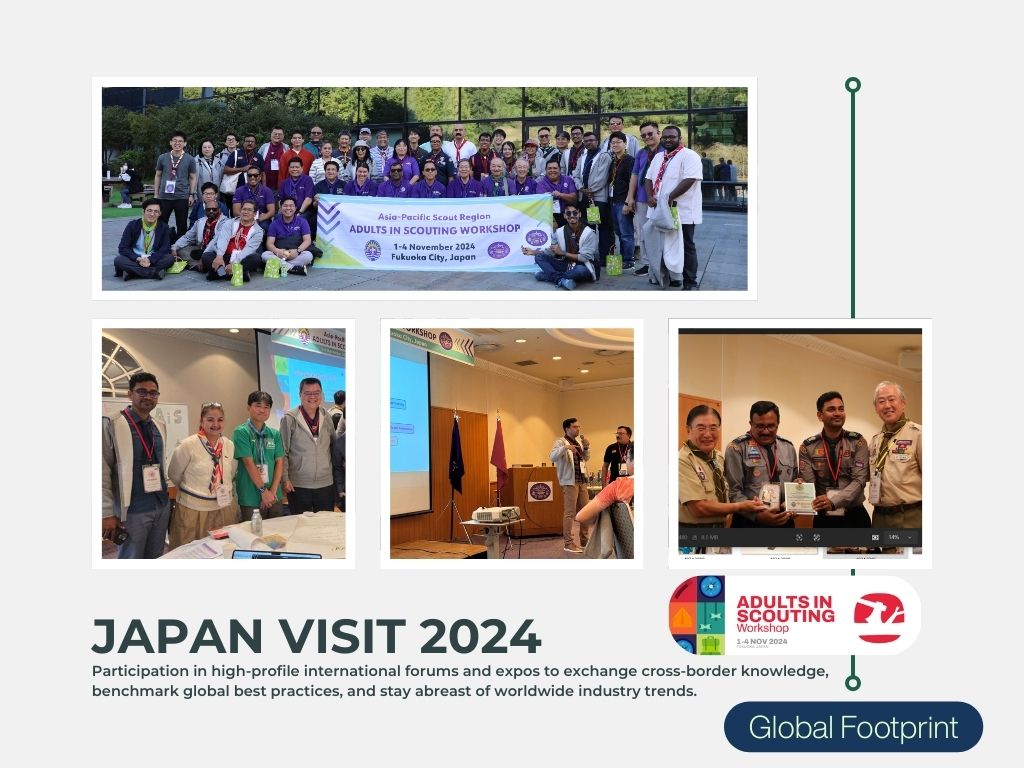
- Represented Sri Lanka at international programmes in Australia, Taiwan, Malaysia, India, Japan, and Turkey, promoting cultural exchange and global youth collaboration.
Referees
- Mr. Saminda Premaratne - Senior Lecturer, Department of Information Technology, Faculty of Information Technology, University of Moratuwa.
- Mr. K. Kunanathan - Secretary, Provincial Ministry of Education, Eastern Province, Trincomalee.
4. Professional Philosophy
My professional philosophy is grounded in the belief that technology must ultimately serve people. Technical knowledge, on its own, has limited value if it does not solve a real problem, improve access, strengthen institutions, or make work more meaningful for others. For that reason, I approach my work with a strong sense of responsibility, ethics, and service.
I believe that professionalism begins with character. Honesty, consistency, respect, and accountability are not optional qualities; they are the foundation upon which trust is built. Whether I am teaching students, designing systems, training users, or engaging with institutional stakeholders, I try to communicate clearly, act responsibly, and deliver work that others can rely on.
A second principle that guides me is lifelong learning. The field of information technology changes rapidly, and professional relevance depends on curiosity, adaptability, and the discipline to keep learning. My roles in teaching, research, and system development have shown me that growth happens when theory and practice are connected. I therefore value reflection, experimentation, feedback, and continuous improvement.
I also believe that leadership is relational rather than positional. A professional should be able to guide others not only through expertise, but through patience, collaboration, and the ability to listen. In education and in organizational settings, I have learned that sustainable solutions emerge when stakeholders feel respected and involved. Good communication is therefore as important as technical competence.
Finally, I view professional success not merely as personal advancement, but as contribution. I want my work to create value in education, public service, and community development. My goal is to continue growing as a reflective IT professional whose work combines technical excellence, ethical awareness, and meaningful human impact.
Events
Highlights from academic, professional, international, and engagement-based events in my journey.
- All
- Academic & Professional Upskilling
- Research Contributions
- Global Footprint
- Professional Affiliations
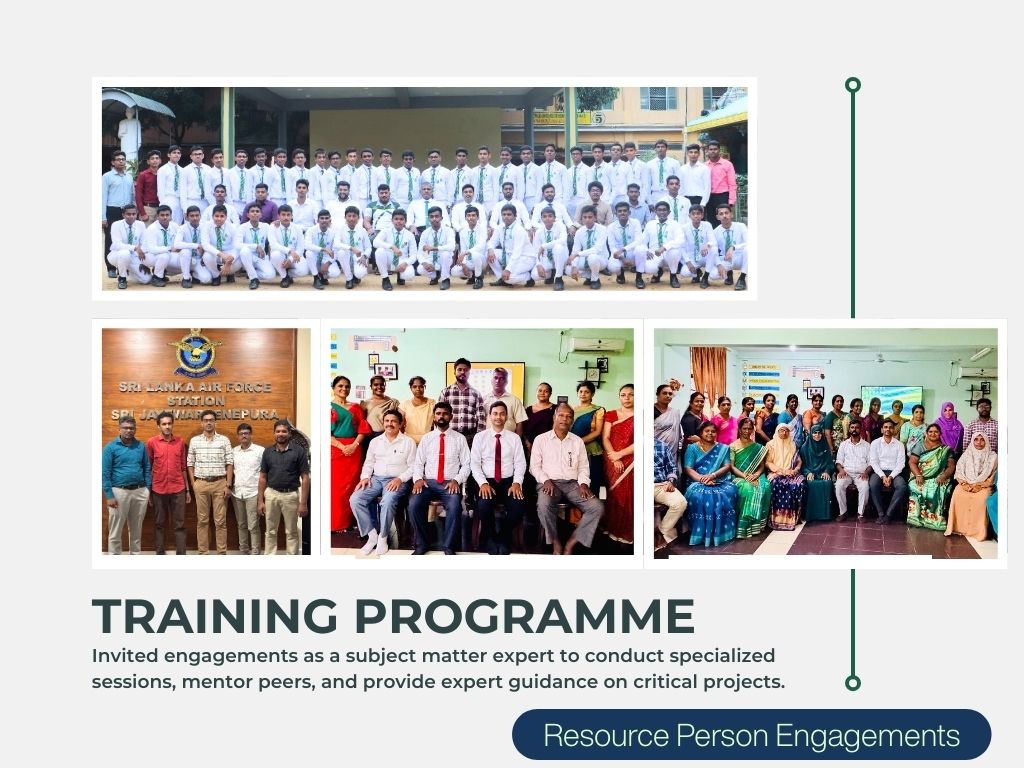
- Resource Person Engagements
- Commendations
5. Critical Reflections from My Professional Life
Reflection 1: Communicating Complex Technical Ideas to Diverse Learners
| Reflection Tool | Gibbs' Reflective Cycle, supported by Schon's reflective practitioner concept |
|---|---|
| Critical Incident | A lecture session in which students struggled to follow an advanced IT topic because the explanation assumed too much prior knowledge. |
One significant incident from my professional life took place while I was teaching advanced IT subjects as a Visiting Lecturer. In one class, I introduced a technically demanding topic to a group of students whose prior knowledge was uneven. A number of students looked disengaged, and their responses during discussion suggested that my explanation had been too compressed and too theoretical. Using Gibbs' Reflective Cycle, I can examine this moment in a structured way.
My immediate feeling at the time was frustration because I had prepared the lesson carefully and believed that the content was clear. However, reflection helped me realize that my preparation had focused more on what I wanted to teach than on how the students were likely to receive it. I had assumed a shared baseline of knowledge that did not actually exist. This gap affected not only understanding, but also confidence and classroom participation.
When I evaluate the incident now, I see that the lesson was technically accurate but pedagogically incomplete. Communication in teaching is not simply transmission of information; it also involves audience awareness, checking comprehension, and adapting one's message in real time. Schon's idea of the reflective practitioner is also relevant here, because effective teaching requires reflection-in-action. I should have noticed the students' non-verbal cues earlier and adjusted my approach before the confusion deepened.
The incident taught me that professional communication must be responsive. Since then, I have become more intentional about scaffolding complex topics, using examples before abstraction, inviting questions earlier, and building short comprehension checks into lectures. This makes learning more inclusive and helps students engage without fear of embarrassment.
How I Can Improve My Professional Practice
- Diagnose learner readiness before moving into advanced content.
- Use layered explanations: concept, example, activity, and recap.
- Check understanding through short questions rather than waiting until the end.
- Pay closer attention to non-verbal signals and adapt the lesson in the moment.
- Treat clarity and engagement as core parts of professional expertise, not as optional extras.
Reflection 2: Managing User Resistance During System Adoption
| Reflection Tool | Rolfe et al.'s reflective model, supported by change-management thinking |
|---|---|
| Critical Incident | Introducing and supporting an institutional digital system where some staff members resisted or feared the change. |
A second critical incident occurred in my role as a Resource Person in Research and Development at the Provincial Ministry of Education. During the implementation and user support phase of an education-related system, I had to work with staff members whose levels of digital confidence varied considerably. Some users were enthusiastic, while others were hesitant and worried that the new system would increase their workload or expose mistakes. Communication became the central challenge.
Initially, I approached the situation from a technical problem-solving mindset. I explained features, demonstrated workflows, and emphasized efficiency. Yet the resistance did not disappear. Looking back through Rolfe et al.'s model - What? So what? Now what? - I can see that I was addressing functionality without fully acknowledging the users' emotional and professional concerns. The issue was not only whether the system worked, but whether people felt heard, safe, and supported during change.
The deeper significance of this incident is that digital transformation is fundamentally social. Systems fail not only because of weak engineering, but because of weak communication and poor change management. This incident reminded me that professionals must translate technical value into user-centered language. They must also invite feedback instead of assuming acceptance.
As I reflected on the experience, I realized that my communication needed to become more dialogic. Rather than positioning training as one-way instruction, I needed to create space for users to express concerns, ask practical questions, and shape the implementation process. By doing this, trust improved, and system adoption became more sustainable.
How I Can Improve My Professional Practice
- Begin implementation with stakeholder listening, not only technical presentation.
- Frame system benefits in relation to users' daily work and anxieties.
- Use training sessions as conversations and feedback spaces.
- Document recurring user concerns and turn them into design or support improvements.
- Recognize that empathy, patience, and reassurance are part of professional communication.
Reflection 3: Expectation Management in Professional Projects
| Reflection Tool | Kolb's experiential learning cycle, with emphasis on reflective observation and active experimentation |
|---|---|
| Critical Incident | A project environment in which stakeholders interpreted timelines and deliverables differently because early communication was not explicit enough. |
A third incident emerged in consultancy and project collaboration, where expectations among stakeholders were not fully aligned at the start of a project. In one professional context, timelines, deliverables, and responsibilities were understood differently by different parties. Although there was goodwill, the absence of sufficiently explicit communication created preventable tension later in the work.
Using Kolb's experiential learning cycle, I can interpret this incident as a concrete experience that pushed me toward reflective observation and new practice. At the time, I focused on solving the immediate technical tasks, assuming that progress would clarify expectations naturally. Instead, ambiguity became a risk. Questions emerged about ownership, revision cycles, and what success would look like. The incident showed me that clarity at the beginning is not bureaucracy; it is a professional safeguard.
This reflection has influenced how I approach projects now. Technical competence matters, but without documented communication, even strong work can be misunderstood. In professional life, people often judge reliability through consistency, responsiveness, and transparency as much as through output quality. That means clear written communication, meeting summaries, scope definition, and expectation management are essential.
The most important insight for me was that communication should be proactive rather than reactive. A professional should not wait for misunderstanding to surface. Instead, one should build shared understanding through early clarification, timely updates, and written confirmation of key decisions.
How I Can Improve My Professional Practice
- Clarify scope, roles, timelines, and deliverables before work intensifies.
- Follow discussions with brief written summaries to reduce ambiguity.
- Use progress updates to maintain alignment rather than only reporting at the end.
- Invite stakeholders to confirm or correct shared assumptions early.
- Understand that reliable communication protects relationships as well as project outcomes.
6. Artifact Representing a Key Milestone in My Professional Journey
Artifact: EMS360 Education Management System / SLIDA Research Symposium 2025 Recognition
| Artifact Type | Research and development system with public-sector impact |
|---|---|
| Institutional Context | Provincial Ministry of Education, Eastern Province |
| Milestone | Presentation of EMS360 at the SLIDA Research Symposium 2025; paper selected as a winner in a digital transformation and innovation sub-theme |
| Why It Matters | It connects technical development, public service, research communication, and professional credibility |
The artifact I have chosen to represent a key milestone in my professional journey is the EMS360 Education Management System and its recognition through presentation at the SLIDA Research Symposium 2025. I selected this artifact because it represents more than a single software product. It captures the intersection of research, technical design, institutional relevance, and communication with professional audiences.
EMS360 is significant because it demonstrates my ability to work beyond isolated technical tasks and contribute to system-level improvement in a public-sector context. A system of this nature requires not only development skills, but also needs analysis, stakeholder consultation, iterative refinement, training, and clear communication across professional groups. It is therefore a strong example of applied professional practice.
Its recognition at a research symposium adds another layer of importance. Presenting such work in a formal setting means that the project had to be articulated clearly, defended intellectually, and positioned within a broader conversation about innovation and governance. This reflects professional maturity: the ability to build something useful and also explain why it matters.
For me, the artifact symbolizes a shift from being only a technical implementer to becoming a more integrated professional - one who can research, design, communicate, teach, and lead. It also reinforces my long-term commitment to using technology for educational and institutional development. In that sense, this artifact is not just evidence of past achievement; it is a marker of the direction in which I want my professional life to continue growing.
7. Reflection on My Journey within the PGDipPPE
Expectation
I expected the programme to strengthen my formal command of English, especially in reading, writing, and professional expression.
Key Learning Moment
I recognized that professional English is not simply about grammar or vocabulary; it is also about tone, audience awareness, structure, precision, and purpose.
Growth as a User of English
I became more deliberate in choosing words, sequencing ideas, and maintaining clarity in professional and academic communication.
Detailed Reflection
When I began the Postgraduate Diploma in Professional Practice in English, I expected the programme to strengthen my formal command of English, especially in reading, writing, and professional expression. Because much of my career takes place in technical, educational, and institutional settings, I wanted to become more confident in communicating complex ideas clearly and appropriately across different audiences. I also expected the programme to help me become more reflective about language use rather than treating English only as a functional tool.
Overall, these expectations were fulfilled to a meaningful extent. One of the most important learning moments for me was recognizing that professional English is not simply about grammar or vocabulary. It is also about tone, audience awareness, structure, precision, and purpose. Through reading tasks, reflective writing, and structured academic engagement, I became more conscious of how meaning is shaped by the way ideas are organized and expressed.
A second area of growth was in confidence. In my professional life, I often communicate with students, colleagues, administrators, and project stakeholders. The PGDipPPE helped me think more carefully about register and appropriateness in these interactions. For example, when preparing formal emails, academic submissions, reflective pieces, or explanatory documents, I became more deliberate in choosing words, sequencing ideas, and maintaining clarity. This has practical value in teaching, project reporting, and institutional communication.
The programme also encouraged me to reflect on myself as a user of English. I realized that my strengths lie in clarity of intention, professional seriousness, and willingness to learn, while my areas for improvement include refinement of style, deeper critical engagement, and greater sensitivity to nuance in written argument. Becoming aware of these strengths and limitations has itself been valuable, because it helps me approach communication as a skill that can be continuously developed.
Another meaningful aspect of the journey was the way it connected language with identity and professionalism. As someone working in IT and education, I often need to bridge technical language and human understanding. The course reinforced the idea that good English in professional practice is not about sounding impressive; it is about being understood, being credible, and being effective. This insight has strengthened the way I prepare lesson materials, write reports, and participate in academic and professional conversations.
Looking back, I feel that I have grown not only in linguistic confidence, but also in reflective awareness. The PGDipPPE has helped me become a more thoughtful communicator who pays greater attention to audience, structure, tone, and purpose. It has supported my development as an educator, researcher, and professional practitioner, and it has shown me that language growth remains an important part of lifelong learning.